OUR PROJECTS
ENGINEERING SOLUTIONS
DELIVERED IN THE REAL WORLD
A selection of projects that demonstrate our expertise, innovation and commitment to excellence.
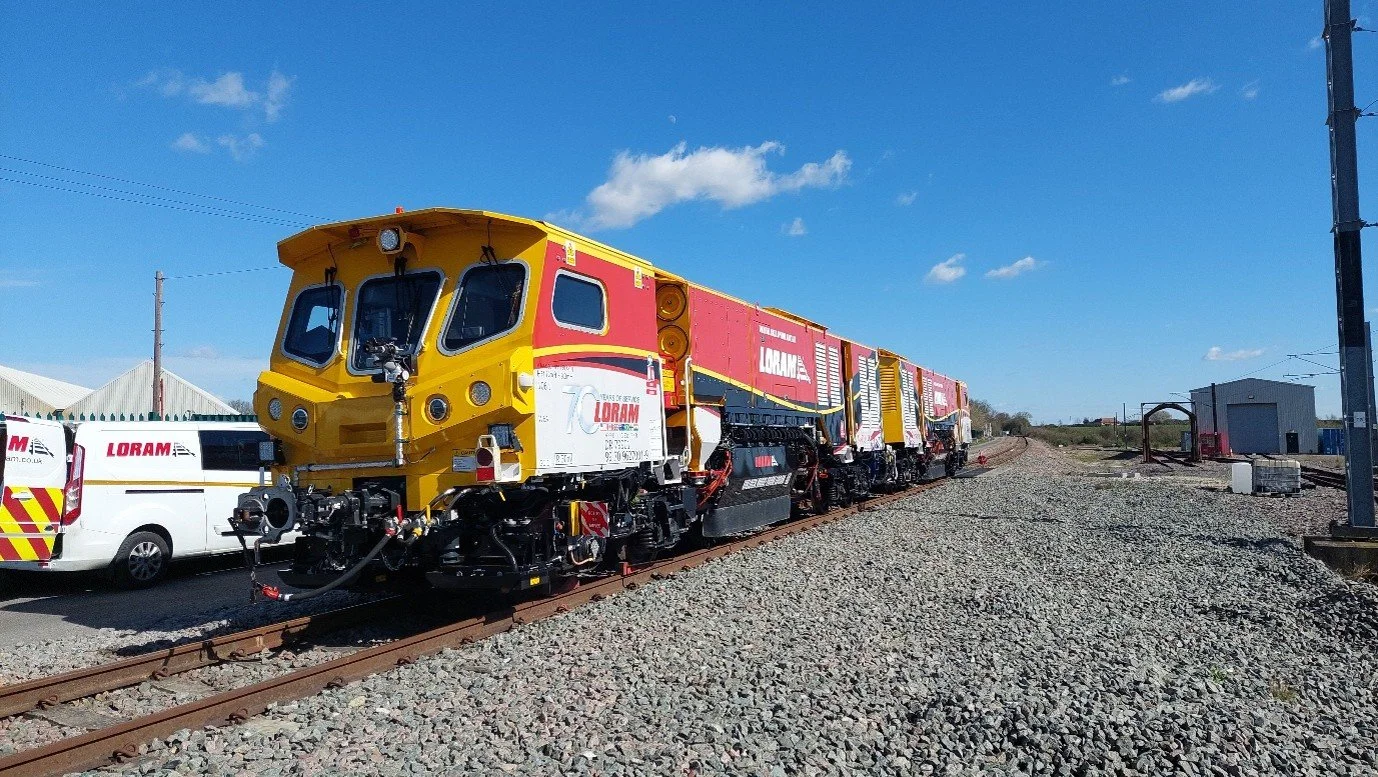
20 Stone Rail Grinder Authorisation and Testing
Nexis Engineering provided engineering management, testing and assurance support for the authorisation of a 20-stone rail grinding machine for UK operation.
The programme delivered a comprehensive testing and verification campaign against the EN 14033 series, GMRT2400 and the Locomotives and Passenger Rolling Stock National Technical Specification Notice (NTSN).
Our approach
Nexis Engineering defined and managed the testing required to demonstrate compliance and support vehicle authorisation. Our responsibilities included:
Developing and maintaining the test programme
Engaging with the Office of Road and Rail (ORR)
Coordinating specialist test organisations and facilities
Reviewing test procedures and method statements
Confirming test configurations, conditions and acceptance criteria
Reviewing test reports and maintaining traceability to the applicable requirements
All testing activities were planned, managed and delivered through the programme. Nexis Engineering also oversaw Alstom’s EN 14363 testing campaign, including sway testing and bogie rotational resistance assessments.
Managing the testing campaign
The programme delivered static brake testing to EN 15806, dynamic braking-performance testing to GMRT2045, electrical-safety testing to EN 60204-1 and vehicle-noise testing against the applicable NTSN requirements.
Additional verification included fire detection and suppression testing, brake-block force measurement, axle and roof-to-rail resistance testing, earth-bond and electrical-continuity testing, insulation-resistance testing and sanding-system performance assessment.
The outcome
The programme successfully generated the objective evidence required to support vehicle authorisation and demonstrate the machine’s suitability for operation on the UK rail network.
This work demonstrates Nexis Engineering’s capability to manage complex testing, verification and authorisation programmes for specialist on-track machines.
Key services
Vehicle authorisation | Testing and commissioning | Engineering management | Verification and validation | Compliance management | Technical assurance
ETCS Fitment to On Track Machines
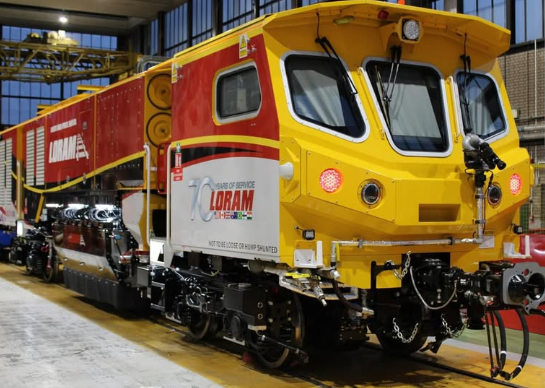
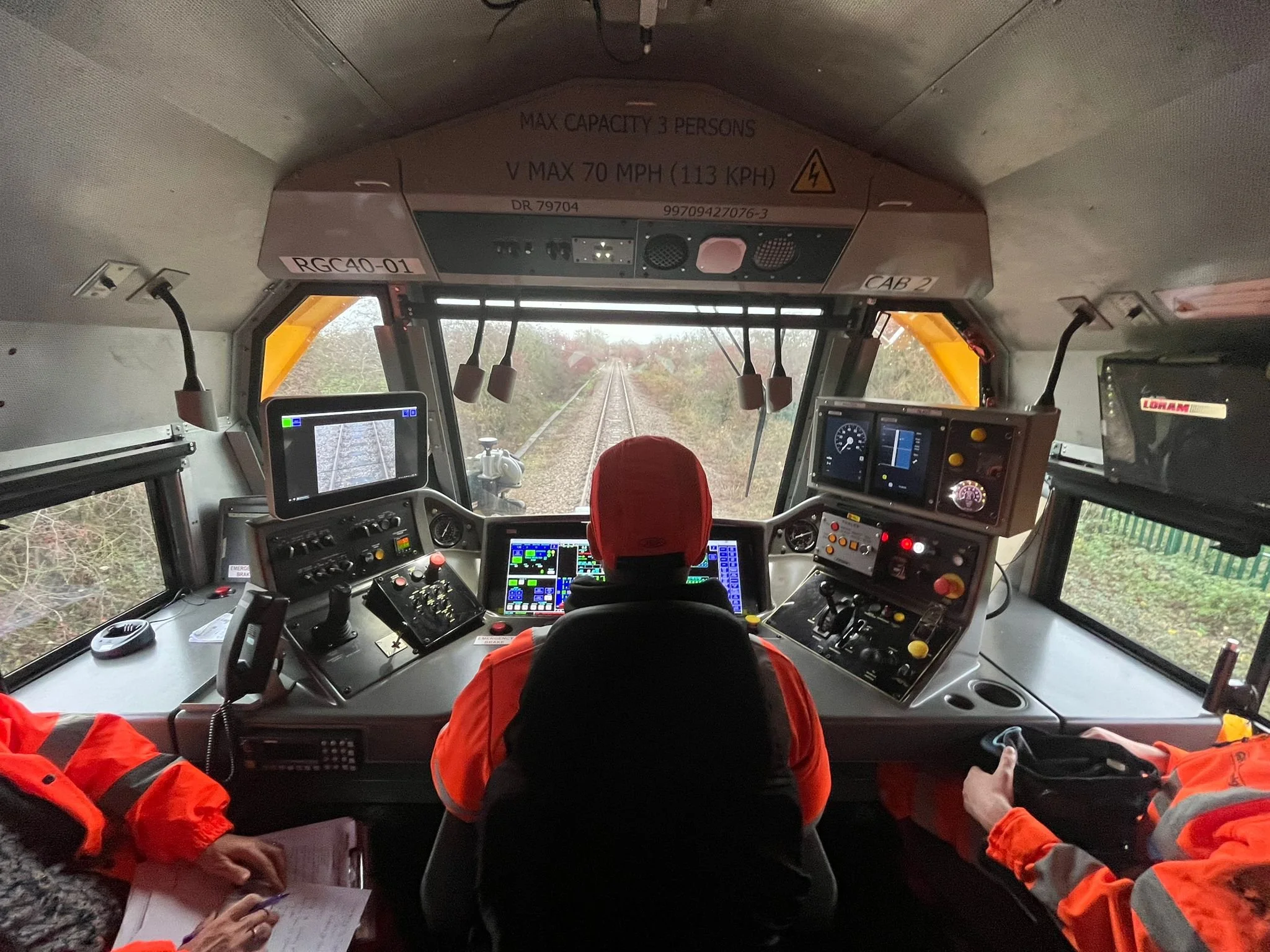
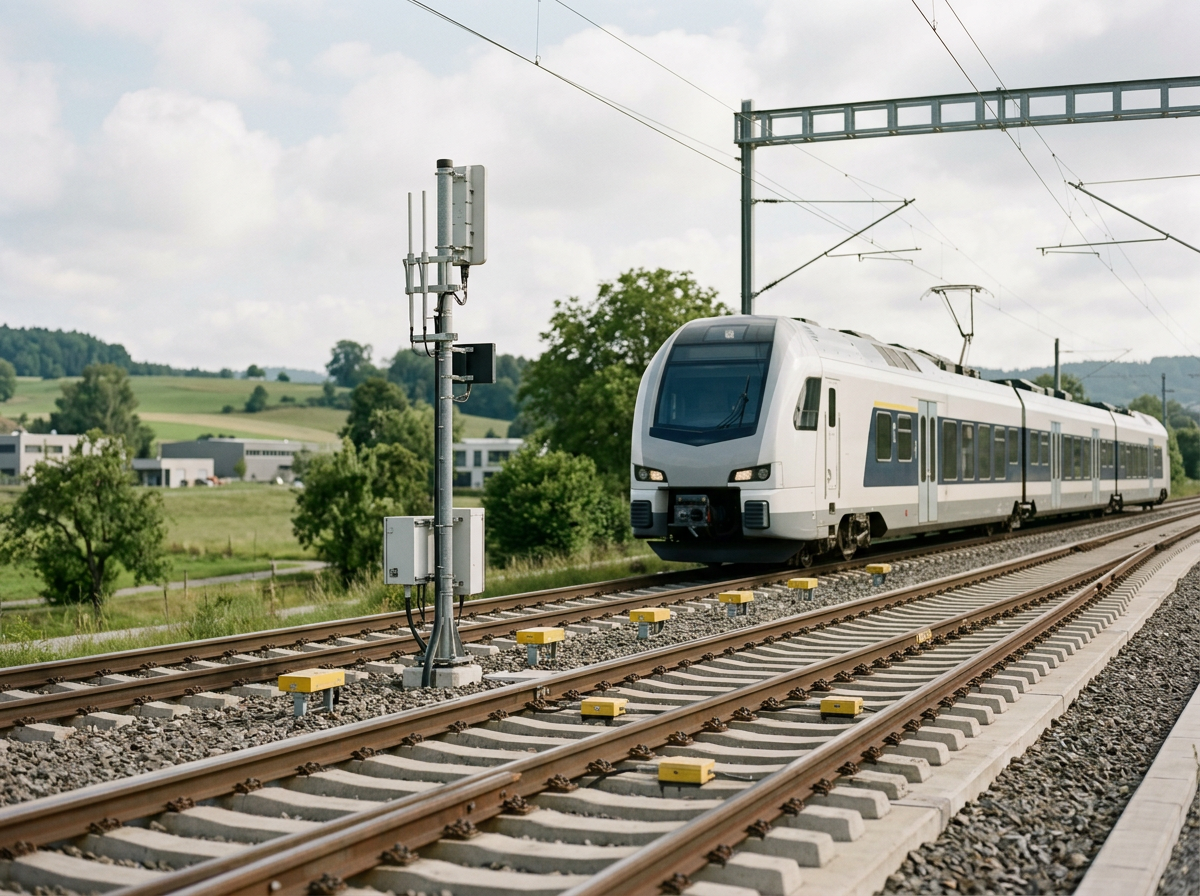
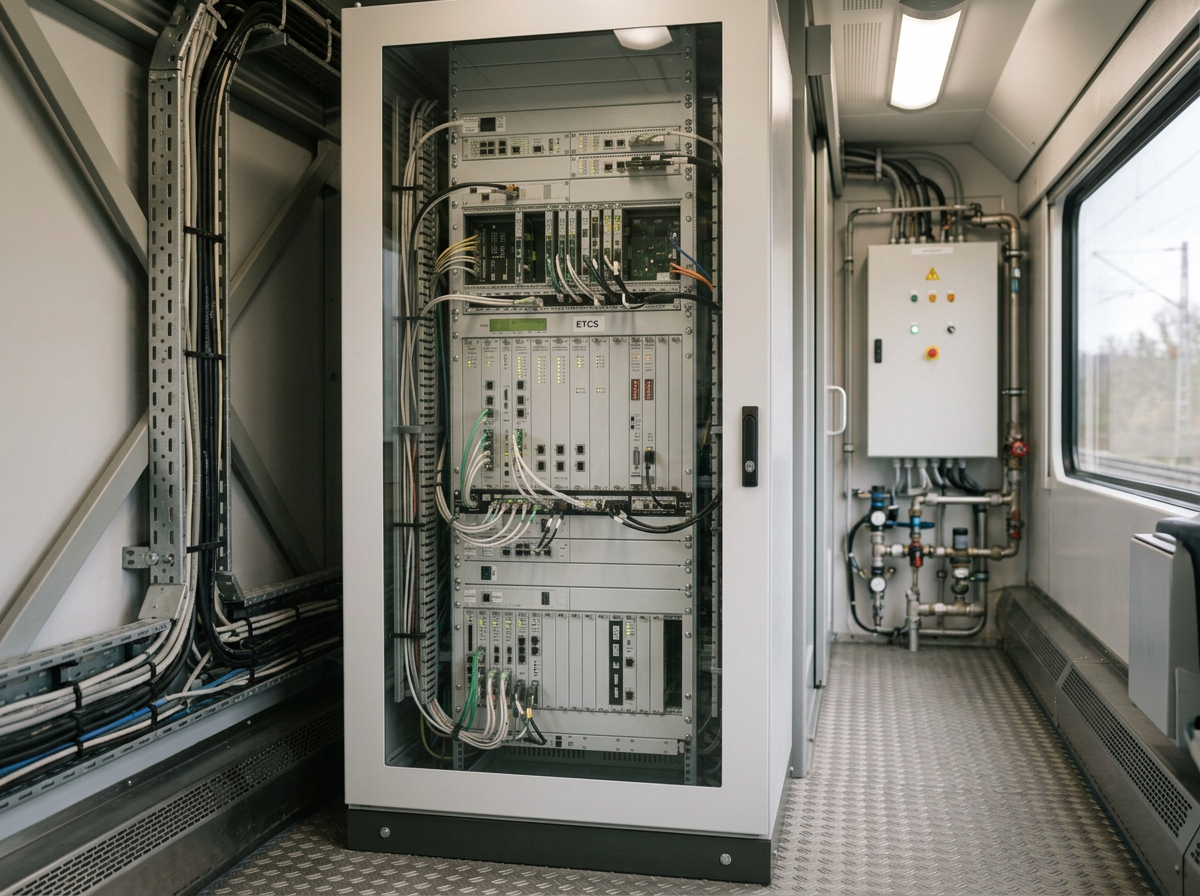
Nexis Engineering provided engineering management, systems integration and assurance support for the retrofitment of European Train Control System (ETCS) equipment to three rail grinding machines. Creating the first UK On Track Machine (OTM) successfully fitted with ETCS.
The four-year programme formed part of the rail industry’s transition to digital signalling and required the integration of modern train-control technology into complex specialist vehicles. The project had to maintain the machines’ existing operational and grinding functionality while demonstrating compliance with the applicable signalling, rolling-stock and vehicle-authorisation requirements.
Our approach
Nexis Engineering supported the programme from mobilisation through concept and detailed design, establishing a structured approach to technical delivery, assurance and regulatory compliance.
Our responsibilities included:
Developing and managing the engineering and vehicle-authorisation strategy
Coordinating the integration of the ETCS and GSM-R systems with the existing vehicle architecture
Managing technical interfaces between the vehicle manufacturer, ETCS supplier, operator and specialist assessors
Establishing and maintaining the project requirements and compliance evidence
Coordinating the AsBo, ApBo, DeBo, NoBo and Plant Assessment Body
Managing specialist safety, human-factors, cybersecurity and reliability assessments
Reviewing system designs, technical submissions and supplier documentation
Supporting the development of installation, testing and commissioning strategies
Managing engineering risks, design actions and programme dependencies
Facilitating operator and driver engagement to inform the positioning and usability of cab equipment
Supporting engagement with Network Rail and the relevant approval and authorisation bodies
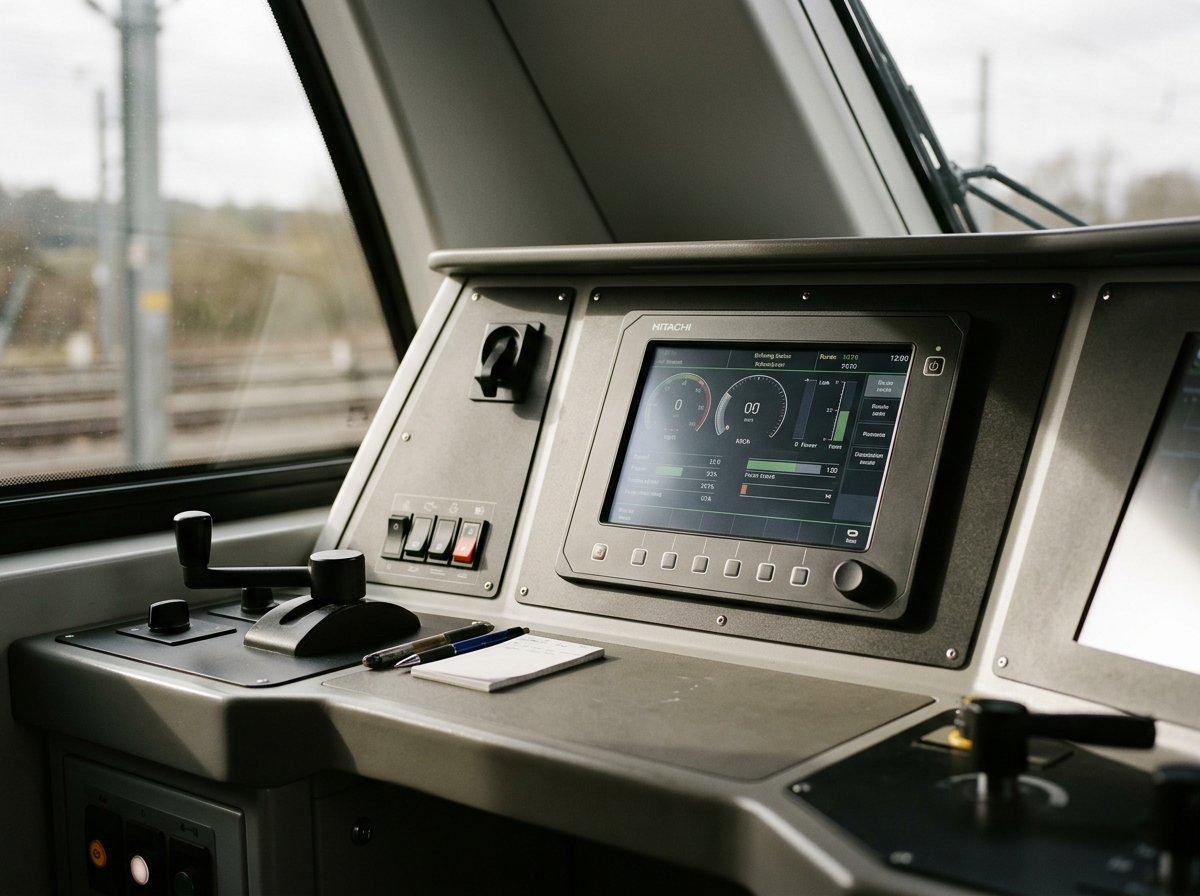
A significant element of the project involved integrating the Driver Machine Interface and associated controls within a cab that had not originally been designed for ETCS equipment. Nexis Engineering coordinated technical and human-factors reviews to develop a solution that balanced driver usability, visibility, maintainability and compliance with the applicable requirements.
Managing a complex integration
The retrofit programme required the new ETCS system to interface safely with existing braking, speed-sensing, power-supply and vehicle-control systems. This created complex technical dependencies involving equipment configuration, installation constraints, software development, testing and vehicle availability.
Nexis Engineering applied a systems-engineering approach to manage these interfaces and ensure that design decisions remained traceable to the project requirements, identified hazards and operational needs.
The outcome
The programme successfully completed mobilisation and concept design in accordance with the project schedule, with detailed design subsequently delivered ahead of the contractual milestone.
Through structured engineering management and early coordination of the assurance activities, the programme established a clear route through design, installation, testing and vehicle authorisation. This work demonstrates Nexis Engineering’s capability to manage safety-critical digital-signalling integration on complex and highly specialised railway vehicles.
Key services
ETCS integration | Engineering management | Systems engineering | Vehicle authorisation | Requirements management | Safety assurance | Human factors | Cybersecurity | Testing and commissioning
40 Stone Rail Grinder APIS
Nexis Engineering provided specialist engineering, assurance and project management support for the UK authorisation of the machine, a four-vehicle, 40-stone rail grinding machine designed and manufactured in the United States.
The programme required the machine to be demonstrated as safe, technically compliant and compatible with the UK rail network. This involved navigating a complex authorisation framework covering the EN 14033 series, applicable Railway Group Standards, National Technical Specification Notices and Network Rail compatibility requirements.
Our approach
Nexis Engineering coordinated the vehicle authorisation programme from technical assessment through to submission. Our work included:
Developing and managing the authorisation and compliance strategy
Establishing the applicable technical requirements and supporting the compliance assessment
Coordinating the AsBo, ApBo, DeBo, NoBo and Plant Assessment Body
Managing technical engagement with the Office of Rail and Road and Network Rail
Planning and overseeing static, dynamic and system-level testing
Coordinating vehicle compatibility, gauging and electromagnetic compatibility assessments
Reviewing technical evidence, test reports and supporting engineering documentation
Managing identified hazards, technical risks and outstanding compliance actions
Preparing the safety justification and technical submission supporting the Application for Authorisation
Coordinating the final submission and responding to queries raised during the regulatory assessment
Testing and verification included braking performance, wheel-slide protection, vehicle dynamics, human factors, noise, electromagnetic compatibility and machine-specific requirements. The programme also had to accommodate the integration of ETCS and GSM-R equipment while protecting the vehicle’s delivery and entry-into-service schedule.
The outcome
The machine successfully received Authorisation for Placing in Service from the Office of Rail and Road, enabling the machine to enter operational service on the UK rail network.
The successful authorisation demonstrated Nexis Engineering’s ability to manage complex, multidisciplinary rolling-stock programmes and translate extensive technical and regulatory requirements into a structured, deliverable compliance strategy.
Key services
Vehicle authorisation | Engineering assurance | Compliance management | Testing and commissioning | Safety justification | Regulatory engagement | Rail vehicle integration

Alternative Power Feasibility Study for the C44 Rail Grinder Fleet
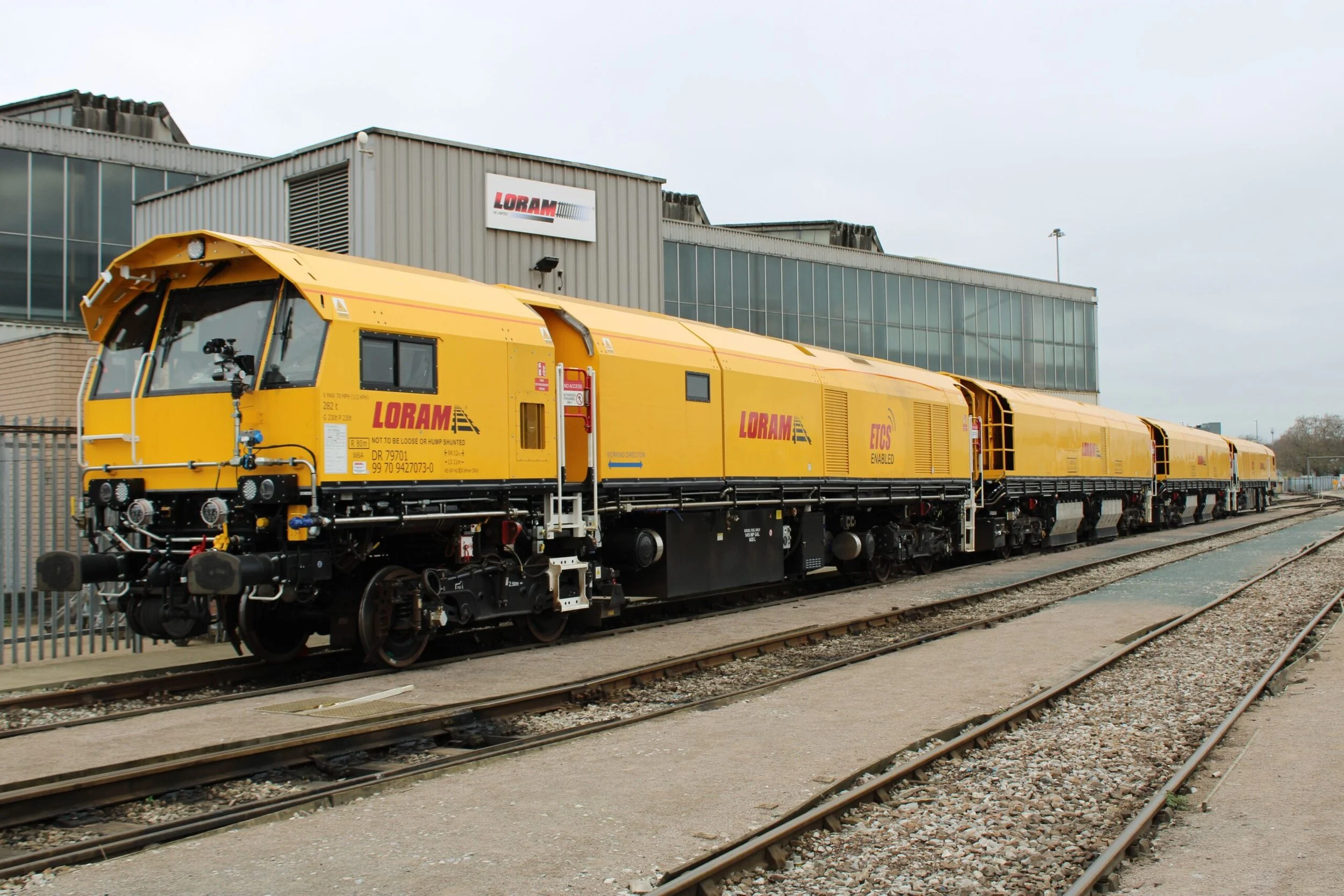
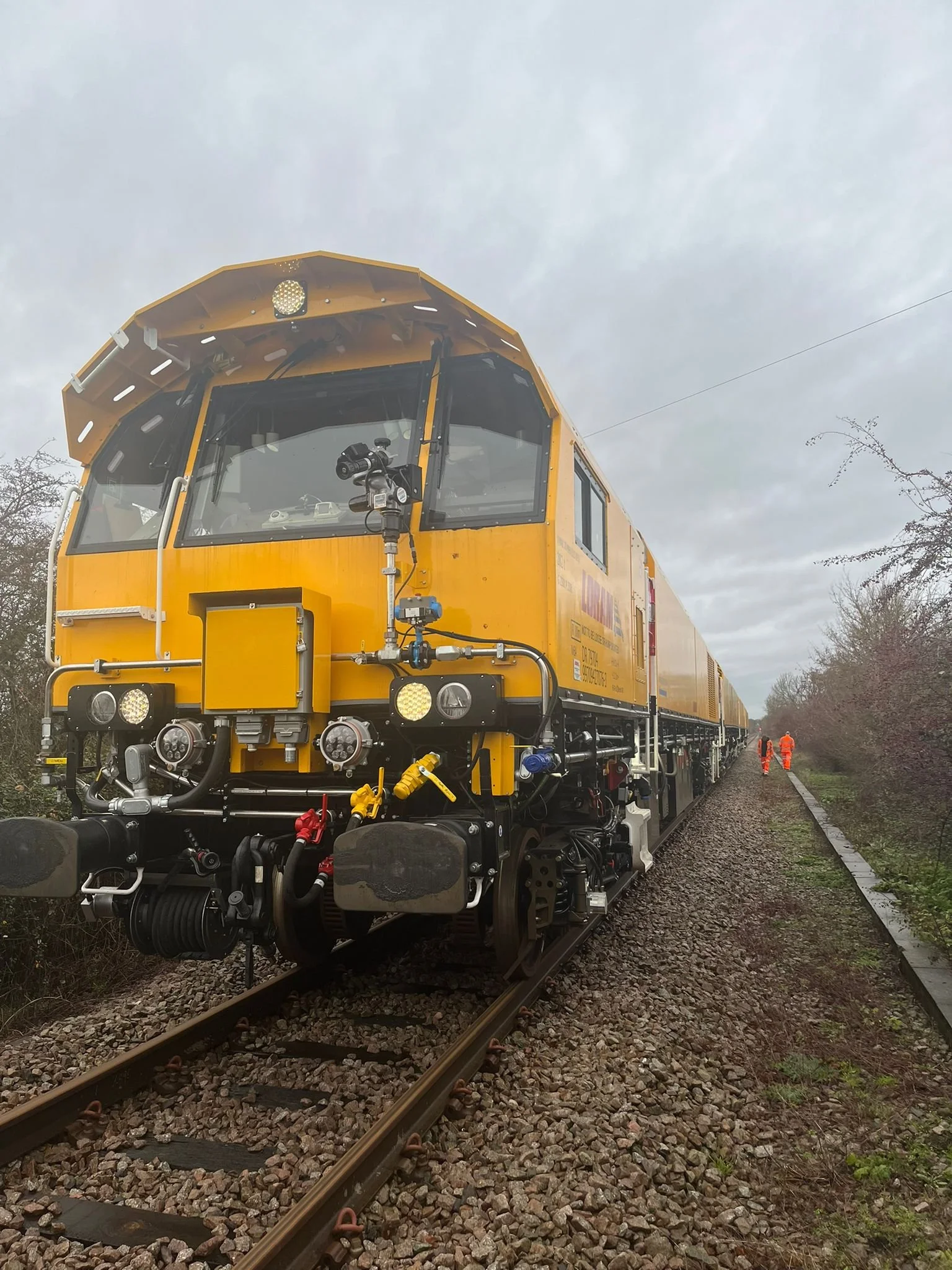
As part of the rail industry's transition towards decarbonisation, Nexis Engineering produced a two-phase feasibility study to assess alternative power solutions for the C44 UK rail grinder fleet.
Our approach
The work involved a detailed technical, operational, and commercial assessment of multiple traction technologies:
Including battery-electric
Hydrogen fuel cell
Hydrogen combustion
Overhead line electrification (OLE) operation
The study examined the unique challenges associated with maintaining grinding capability across a largely non-electrified rail network, while preserving vehicle performance, route availability, stabling access, staff welfare facilities, and maintenance requirements.
Following the initial option assessment, a preferred diesel-electric bi-mode solution incorporating OLE capability was developed further through a comprehensive standards review, system requirements analysis, electrical and mechanical integration studies, axle load assessments, gauging considerations, operational impact assessments, and lifecycle cost evaluations.
The project also identified the testing, certification, and approval activities necessary to gain acceptance for operation on the UK railway, including compliance with railway interoperability, gauging, EMC, and infrastructure compatibility requirements.
The outcome
The study provided a clear engineering pathway for reducing emissions from the fleet while maintaining operational flexibility and supporting long-term sustainability objectives.
Key services
Sustainability | Feasibility Studies | Engineering solutions
EMC Testing and Acceptance for Hitachi Rolling Stock
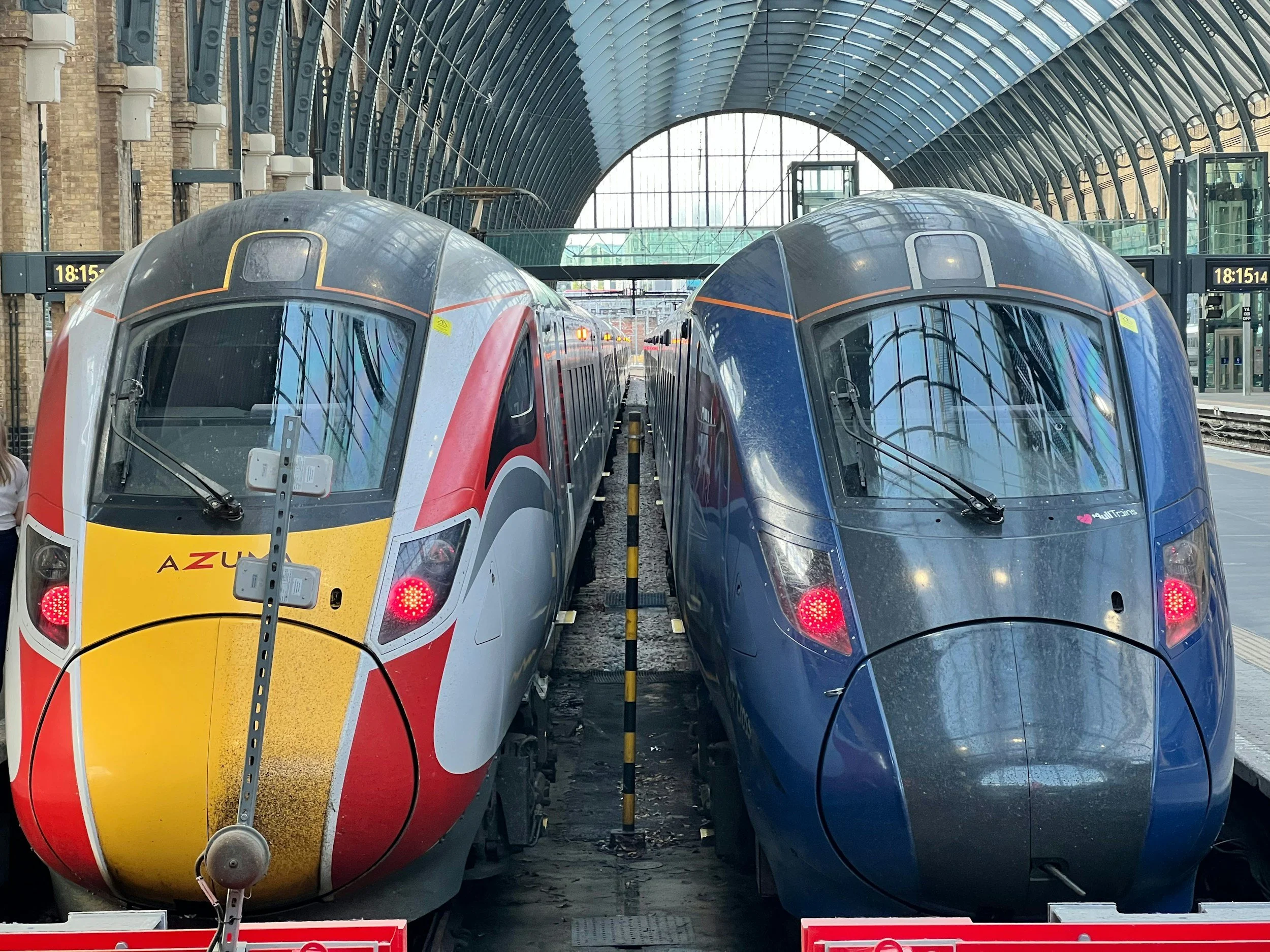
As part of the introduction of new rolling stock into service, a comprehensive programme of Electromagnetic Compatibility (EMC) testing and assessment was delivered to demonstrate compatibility between the vehicle and the wider railway infrastructure. The work supported the acceptance of Hitachi Class 805 and Class 810 fleets by assessing the potential impact of vehicle-generated electrical emissions on signalling systems, telecommunications equipment, electrification infrastructure, and passenger safety.
In addition to physical testing, compatibility assessments were undertaken for track circuits, axle counters, telecommunications systems, and interfaces with adjacent rail networks, together with assessments of magnetic field exposure levels within passenger areas.
Our approach
Vehicle testing
Testing activities were planned based on compliance requirements.
Method statements were produced in line with applicable standards and agreed with the customer.
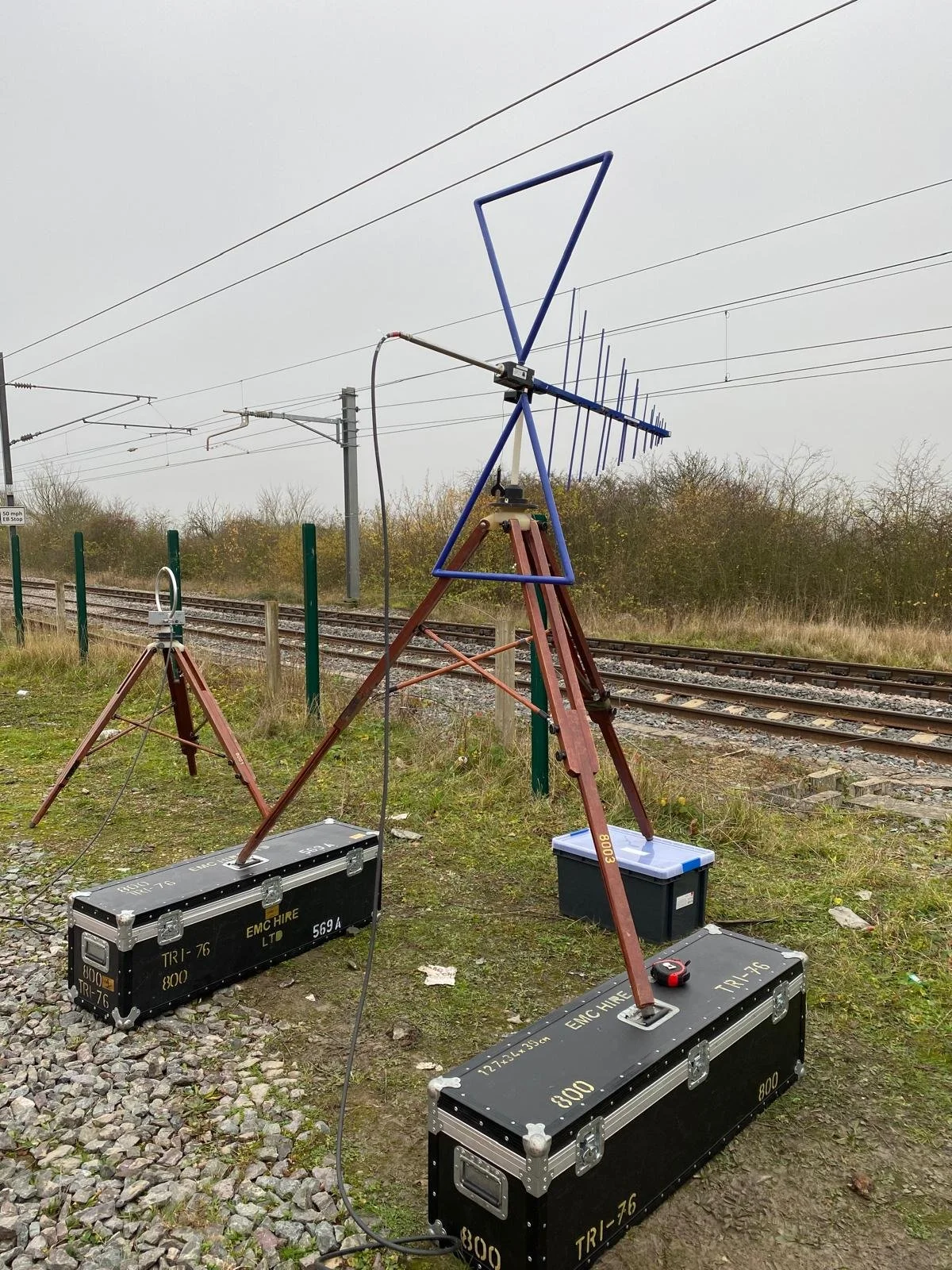
On track EMC testing executed using specialist monitoring equipment.
Data was collected and processed including applying Fast Fourier Transforms.
Test report was produced to visualise the data against the specified emissions limits.
Compatibility Assessments
Using the simulated and measured emissions spectrums, emissions limits in specific frequency ranges were assessed for exceedances.
Magnetic field strength in passenger areas from the train’s transformer were calculated in alignment with the EMC Directive for Human Exposure.
An assessment on the effect of mutual coupling between adjacent lines found no cause for concern based on the proximity of parallel lines.
The outcome
The programme successfully demonstrated infrastructure compatibility and provided key evidence to support the vehicle acceptance process, ensuring the safe integration of the new fleets onto the UK rail network.
Key services
Testing and commissioning | Verification and validation | Electromagnetic Compatibility | Data Analysis & Visualisation